CAA News Today
Congressional Arts Report Card Released
posted by Christopher Howard — September 18, 2008
The Americans for the Arts Action Fund PAC issued today its Congressional Arts Report Card, covering the 110th Congress (2007-2009). The entire Report Card contains letter grades and numerical scores of every member of Congress based on his or her voting record on arts issues.
“As the arts and arts education increasingly established a foothold during this year’s presidential campaign trail, the Report Card will serve as a compelling guide for the public to make overall arts-informed decisions at the ballot box on Election Day,” said Robert L. Lynch, president and CEO of the Americans for the Arts Action Fund. “Although the Report Card shows that Congress is progressively acknowledging the importance of the arts and arts education, further support is needed in arts funding.”
The 2008 Congressional Arts Report Card reveals that 181 members (43 percent) of Congress received a grade of A or higher. When the grades of the members of each state delegation are averaged on a state-by-state basis, the highest scoring state delegation is Maine, with a perfect score of 100. Alaska and Wyoming are the lowest scoring state delegations with a score of 20 points each. Additionally, the Arts Report Card shows that support for the arts is bipartisan and growing, as evidenced in the nearly 24 percent increase in membership of the Congressional Arts Caucus since 2000. Also, 21 representatives improved their Report Card scores by one letter grade or more from their 2006 Report Card grade.
NEA Chairman Dana Gioia Resigns
posted by Christopher Howard — September 12, 2008
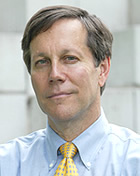
The National Endowment for the Arts announced today that Dana Gioia, chairman of the NEA since 2003, will leave his position in January 2009. He will return to writing, his primary occupation prior to leading the endowment. Gioia will also join the Aspen Institute on a half-time basis as the first director of the Harman/Eisner Program in the Arts.
Under Gioia’s leadership, the NEA has effectively democratized its programs and services, maintaining the highest artistic and educational standards and while achieving unprecedented outreach to millions of Americans. Gioia has also made arts education central to the agency’s mission, creating many programs that combine the presentation of arts with arts education to foster the next generation of artists, audiences and patrons.
Congress to Hold Hearing on Museums and Libraries
posted by Christopher Howard — September 09, 2008
The Education and Labor Subcommittee on Healthy Families and Communities in the US House of Representatives is scheduled to hold an informational hearing on museums and libraries at 9:30 AM EST on Thursday, September 11, 2008. The subcommittee will be examining how museums and libraries help to strengthen communities and will specifically focus on programs where museums partner with local government entities to solve community problems. One such program expected to be highlighted is a children’s museum that uses an IMLS grant to support a collaborative initiative between the museum, the county’s child welfare agency, and the family court system.
“Museums and libraries are playing such a vital role in communities around the nation,” said Ford W. Bell, president of the American Association of Museums (AAM). “I commend Chairwoman Carolyn McCarthy (D-NY) and Ranking Member Todd Platts (R-PA) for calling this hearing to explore the exceptional work that museums and libraries are doing to strengthen communities.” He added, “I hope the museum field will be able to listen in on the Committee proceedings.”
The witness list for the hearing includes: Anne-Imelda M. Radice, director of the Institute of Museum and Library Services in Washington, DC; Suzanne LeBlanc, executive director of the Long Island Children’s Museum in New York; Mary Clare Zales, deputy secretary of education and commissioner for libraries in Harrisburg, Pennsylvania; Anna Nunez, executive director of the Arizona Health Science Library at the University of Arizona in Tucson; and Eric Jolly, president of the Science Museum of Minnesota in St. Paul, Minnesota.
For additional information about museum advocacy, visit AAM’s Museum Advocacy Action Center, Speak Up for Museums, or email AAM’s grassroots manager, Ember Farber. Please keep in mind that all Congressional action is subject to change, and the committee website will usually reflect any changes.
Report on Arts Education and Funding Published
posted by Christopher Howard — September 09, 2008
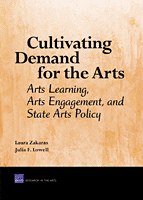 Policymakers have underestimated the critical role of arts learning in supporting a vibrant nonprofit cultural sector, according to a RAND Corporation report just published. The study, written by Laura Zakaras and Julia F. Lowell and entitled Cultivating Demand for the Arts: Arts Learning, Arts Engagement, and State Arts Policy, was commissioned by the Wallace Foundation and conducted by RAND.
Despite decades of effort to make high-quality works of art available to Americans, demand for the arts has failed to keep pace with supply. Audiences for classical music, jazz, opera, theater, and the visual arts have declined as a percentage of the population, and the percentage of these audiences age thirty and younger has fallen even more.
“For decades, public funding of the arts has focused on building supply and expanding access to the arts, but it has neglected the cultivation of audiences capable of appreciating the arts,” said the coauthor Laura Zakaras, an arts researcher at RAND. “If we are not teaching the young how to engage with works of art, they are not likely to become involved in the arts as adults.”
Calling on evidence that experiencing and studying the arts in childhood increase the likelihood of arts participation later in life, the study recommends policymakers in both the arts and education to devote greater attention to cultivating demand for the arts by supporting more and better arts education.
At the public school level, researchers note, arts content standards have been almost universally mandated by the states and are broadening teaching practices, but state, local, and district policies are not providing the resources or time in the school day to implement these standards. In fact, there is evidence that high-stakes standardized testing has led to reduced class time for the arts and humanities in the past five years, according to the study. Arts organizations and colleges have been helpful in complementing school-based arts education, but it is not enough to fill the void.
Analyzing grant-making data, researchers show that state arts agencies, which have historically focused on providing grants to arts organizations, have directed less than 10 percent of their grants over the last twenty years toward activities that target arts learning. In most states, grants are not part of a comprehensive strategy to promote youth or adult arts learning.
However, some state arts agencies are bucking this trend. Rhode Island and New Jersey, for example, have forged relationships with their state departments of education, other state agencies, and members of the arts community to develop comprehensive statewide plans for improving arts education in public schools.
In New Jersey, the state’s arts agency helped develop a survey of arts education that has raised awareness of the inadequacy of its provision in the schools. Concerned residents are now pushing for the adoption of a number of new policies, including inclusion of per-pupil arts spending in New Jersey’s Comparative Spending Guide for public schools. In Rhode Island, the state arts agency was instrumental in successful efforts to adopt a standards-based high school graduation requirement in the arts.
Based on these findings, the authors recommend that state arts agencies and policymakers gauge how well their states are doing by conducting surveys of arts education; developing specific high school graduation requirements in the arts; recognizing and publicizing arts learning programs considered exceptional by experts in the field; and advocating for changes in state policy that increase the amount and breadth of arts learning opportunities. According to the authors, a healthy demand for the arts is critical to a vibrant nonprofit arts sector. Policies that focus on supporting the supply of the arts and broadening access to the arts are not sufficient for building that demand.
New AAM Standards on Cultural Property
posted by Christopher Howard — September 04, 2008
The American Association of Museums (AAM) has established new standards for the museum acquisition of archaeological material and ancient art that emphasize proper provenance of such objects and complete transparency on the part of the acquiring institutions. The product of two years of concerted research and vetting from the museum field, the Standards Regarding Archaeological Material and Ancient Art provide clear ethical guidance on collecting such material to discourage illicit excavation of archaeological sites and monuments. The standards also require museums to create a publicly available collections policy that sets institutional standards for provenance when acquiring archaeological material and ancient art.
CAA has also established Standards and Guidelines on similar topics, including the Resolution Concerning the Acquisition of Cultural Properties Originating in Foreign Countries (1973) and the Statement on the Importance of Documenting the Historical Context of Objects and Sites (2004).
Special House Hearing Highlights NEA and NEH Programs
posted by Christopher Howard — May 15, 2008
On May 8, 2008, a hearing was held by the Healthy Families and Communities Subcommittee in the House of Representatives to discuss the National Endowment for the Arts (NEA) and the National Endowment for the Humanities (NEH). While the subcommittee has jurisdiction over NEH and NEA authorization, this was an informational hearing only.
The following individuals provided testimony on the national impact of NEH and NEA programs: Ken Burns, documentary filmmaker; Bruce Cole, NEH chairman; Dana Gioia, NEA chairman; William Glacken, mayor of Freeport, New York; Jeanne Schmedlen, director of special projects and chief of protocol office for the speaker of the Pennsylvania House of Representatives; Katrine Watkins, librarian at Shaler Area Intermediate School in Glenshaw, Pennsylvania; and former US Army Captain Ryan Kelly, a participant in Operation Homecoming, an NEA-sponsored program.
The panelists emphasized the importance of NEH and NEA grants to their work and asked that Congress continue to support arts and humanities programming. Testimony focused on the agency’s special initiatives, including the NEH’s We the People Bookshelf and Picturing America programs, as well as the NEA’s Mayors Institute on Urban Design and Operation Homecoming. Chairwoman Carolyn McCarthy (D-NY) praised the NEA and NEH programs presented and identified them as essential to defining “what is America.” She also reiterated the importance of the arts and humanities to American society.
New National Project to Examine Impact of Arts Training
posted by Christopher Howard — May 15, 2008
Artists often don’t end up working in the exact fields in which they trained. Instead, they may work at the boundaries between disciplines. Artists frequently move between the nonprofit and commercial sectors; some hold multiple jobs. Moreover, there is a growing demand for arts training, both from students and the rising number of employers in the creative economy. Arts-training institutions and civic policy makers need good data to respond and plan effectively.
The Strategic National Arts Alumni Project (SNAAP) was launched this month to examine questions about the impact of arts training. The project will provide a first-ever in-depth look at factors that help or hinder the careers of graduates of arts high schools, arts colleges and conservatories, and arts schools and departments within colleges and universities.
Arts alumni who graduated five, ten, fifteen, and twenty years earlier will provide information about their formal arts training. They will report the nature of their current arts involvement, reflect on the relevance of arts training to their work and further education, and describe turning points, obstacles, and key relationships and opportunities that influenced their lives and careers.
The results of the annual online survey and data-analysis system will help schools to strengthen their programs of study by tracking what young artists need to advance in their fields. In addition, the information will allow institutions to compare their performance against other schools in order to identify areas where improvements are needed.
The Indiana University Center for Postsecondary Research will administer the annual survey in cooperation with the Curb Center for Art, Enterprise, and Public Policy at Vanderbilt University. Steven J. Tepper, Curb Center associate director, says “SNAAP is a milestone for cultural-policy research, because it will go beyond profiles of individual artists and provide a comprehensive look at the creative workforce in America and the critical role of training institutions in preparing artists and creative workers.” The project will be guided by a National Advisory Board comprised of leaders from all types and levels of arts-training institutions, visual and performing artists, and arts and community-development leaders from the nonprofit and commercial sectors.
Over time, SNAAP findings will allow institutions to learn more about the impact of their educational programs to better understand, for example, how students in different majors use their arts training in their careers and other aspects of their lives. Policy makers and community leaders will be able to use SNAAP findings to understand local, regional, and national arts workforce issues and market patterns. The results will also indicate how students who have trained intensively in the arts contribute to their communities and different areas of the economy.
According to George Kuh, Indiana University professor and SNAAP project director, the arts-alumni survey will be extensively field-tested in 2008 and 2009 with as many as one hundred institutions before its first national administration in 2010. “We’ll learn a lot about what matters in arts training from these early results and also be able to fine-tune the survey for future use,” Kuh said. The Curb Center will host a national conference in 2010 to explore the educational and cultural-policy implications of SNAAP findings.
After several years of studying the need for and feasibility of the project, the Surdna Foundation recently awarded a five-year $2,500,000 leadership grant to help launch the project. In addition, support from other funders is anticipated to support the testing phases of the project and insure widespread participation. SNAAP is expected to become self-sustaining through institutional participation fees by 2012.
Further project information is available on the SNAAP website.
Los Angeles Artist Settles VARA Lawsuit
posted by Christopher Howard — May 15, 2008
The Los Angeles Times reports that the artist Kent Twitchell will receive $1.1 million from the settlement of a lawsuit against the United States government and eleven other defendants for painting over his six-story mural. entitled Ed Ruscha Monument and painted on the side of a downtown building owned by the federal government.
The settlement, disclosed April 30, 2008, is believed to be the largest awarded under the federal Visual Artists Rights Act (VARA) or the California Art Preservation Act, both of which prohibit the desecration, alteration, or destruction of certain works of public art without giving ninety days’ notice to the artist to allow him or her the option of removing the artwork.

Copyright © 2008 College Art Association.
275 Seventh Avenue, 18th Floor, New York, NY 10001 | T: 212-691-1051 | F: 212-627-2381 | nyoffice@collegeart.org
The College Art Association supports all practitioners and interpreters of visual art and culture, including artists and scholars, who join together to cultivate the ongoing understanding of art as a fundamental form of human expression. Representing its members’ professional needs, CAA is committed to the highest professional and ethical standards of scholarship, creativity, connoisseurship, criticism, and teaching.
New National Project to Examine Impact of Arts Training
posted by Christopher Howard — May 15, 2008
Artists often don’t end up working in the exact fields in which they trained. Instead, they may work at the boundaries between disciplines. Artists frequently move between the nonprofit and commercial sectors; some hold multiple jobs. Moreover, there is a growing demand for arts training, both from students and the rising number of employers in the creative economy. Arts-training institutions and civic policy makers need good data to respond and plan effectively.
The Strategic National Arts Alumni Project (SNAAP) was launched this month to examine questions about the impact of arts training. The project will provide a first-ever in-depth look at factors that help or hinder the careers of graduates of arts high schools, arts colleges and conservatories, and arts schools and departments within colleges and universities.
Arts alumni who graduated five, ten, fifteen, and twenty years earlier will provide information about their formal arts training. They will report the nature of their current arts involvement, reflect on the relevance of arts training to their work and further education, and describe turning points, obstacles, and key relationships and opportunities that influenced their lives and careers.
The results of the annual online survey and data-analysis system will help schools to strengthen their programs of study by tracking what young artists need to advance in their fields. In addition, the information will allow institutions to compare their performance against other schools in order to identify areas where improvements are needed.
The Indiana University Center for Postsecondary Research will administer the annual survey in cooperation with the Curb Center for Art, Enterprise, and Public Policy at Vanderbilt University. Steven J. Tepper, Curb Center associate director, says “SNAAP is a milestone for cultural-policy research, because it will go beyond profiles of individual artists and provide a comprehensive look at the creative workforce in America and the critical role of training institutions in preparing artists and creative workers.” The project will be guided by a National Advisory Board comprised of leaders from all types and levels of arts-training institutions, visual and performing artists, and arts and community-development leaders from the nonprofit and commercial sectors.
Over time, SNAAP findings will allow institutions to learn more about the impact of their educational programs to better understand, for example, how students in different majors use their arts training in their careers and other aspects of their lives. Policy makers and community leaders will be able to use SNAAP findings to understand local, regional, and national arts workforce issues and market patterns. The results will also indicate how students who have trained intensively in the arts contribute to their communities and different areas of the economy.
According to George Kuh, Indiana University professor and SNAAP project director, the arts-alumni survey will be extensively field-tested in 2008 and 2009 with as many as one hundred institutions before its first national administration in 2010. “We’ll learn a lot about what matters in arts training from these early results and also be able to fine-tune the survey for future use,” Kuh said. The Curb Center will host a national conference in 2010 to explore the educational and cultural-policy implications of SNAAP findings.
After several years of studying the need for and feasibility of the project, the Surdna Foundation recently awarded a five-year $2,500,000 leadership grant to help launch the project. In addition, support from other funders is anticipated to support the testing phases of the project and insure widespread participation. SNAAP is expected to become self-sustaining through institutional participation fees by 2012.
Further project information is available on the SNAAP website.
CAA at Arts Advocacy Day
posted by Christopher Howard — May 01, 2008
Andrea Kirsh is an independent curator and scholar and an adjunct faculty member at the Winterthur/University of Delaware Program in Art Conservation. She is also a member of the CAA Board of Directors.
I don’t usually hang around with the likes of Robert Redford, John Legend, and Peter Yarrow, but last month I did. With Nia Page, CAA director of membership, development, and marketing, and Sara Hines, CAA marketing and development assistant, I joined these performers and other arts advocates at the House Office Building in Washington, DC, as part of Arts Advocacy Day. Held March 31-April 1, 2008, the event was the twenty-first year that Americans for the Arts has brought together grassroots advocates from across the country to lobby Congress for arts-friendly legislation. CAA has been a longtime cosponsor of these important days for American arts and culture.
More than five-hundred-plus individuals from institutions and locations all over the country descended on Capitol Hill to raise awareness about funding for the National Endowment for the Arts (NEA), the National Endowment for the Humanities (NEH), and the Department of Education, along with specific bills under consideration in the Senate and House of Representatives concerning tax laws, Federal Communications Commission regulations, and foreign exchange policy.
Redford, Legend, Yarrow, and the rest of us were among a coalition of representatives from the NEA and Americas for the Arts who addressed the House Subcommittee on Interior Appropriations in the first congressional hearing in over a decade dedicated to the importance of federal arts funding. We were outside the hearing room with an overflow crowd of more than two hundred that lined an entire third-floor hallway.
Some historical background: after the culture wars that followed the outcry against funding Robert Mapplethorpe, Andres Serrano, and others, the NEA’s budget was cut from $176 million in 1992 to $99.5 million the following year, with grants to individual artists completely eliminated and the endowment’s other grant programs sorely lacking support. During the past fifteen years, the agency has slowly been recovering, with an encouraging $20 million increase in 2007, bringing the current budget to $144.7 million. Still $30 million shy of the baseline goal to reach 1992 levels, the current presidential administration has now proposed a $16 million cut for 2009.
The United States is unusual among advanced democracies in having no federal department of culture; current arts legislation is spread over more than fourteen congressional committees, which also have responsibility for forest fires, homeland security, and the entire tax system. The current Congress is looking at funding for the NEA, NEH, Institute of Museum and Library Services, arts education, and State Department cultural exchanges; tax legislation allowing artists to take fair-market-value tax deductions for donations to museums; and the inclusion of arts education within No Child Left Behind legislation (as well as several issues affecting the performing arts).
I was among the thirty-four Pennsylvanians who met in Senator Arlen Spector’s office with his staff member, Mary Beth McGowan, to ask for support for arts-friendly bills and to tell stories of how federal funding has benefited the state. Spector is a member of the Senate Cultural Caucus and a long-time friend of the arts, but that doesn’t make such visits any less important. The group included fourteen students in Drexel University’s Arts Administration Program (who had raised their own funds for the trip) and Silagh White of ArtsLehigh, an initiative at Lehigh University to integrate arts throughout the curriculum and educate an enthusiastic audience; two Lehigh undergraduates joined her.
Page and Hines joined seventy-five New York art supporters who lobbied the offices of Representatives Charles Rangel, Carolyn Maloney, and Louise McIntosh Slaughter and Senators Charles Schumer and Hillary Clinton, to name a few, urging Congress to support increased funding for the NEA and NEH and to cosponsor the Artist-Museum Partnership Act. They also urged Congress to appropriate $53 million for the US Department of Education’s Arts in Education programs in the fiscal year 2009 Labor-HHS-Education Appropriations Bill.
During a training session on the first day, we were told, “If you don’t get involved, your opponents will.” I can’t overemphasize the importance of such lobbying. If you can’t make the trip to DC, you can still phone, write, or e-mail your senators and representatives about arts issues. They want to hear from their constituents, and the more personal your stories about the impact of arts policies and federal funding–which includes federal monies channeled through state and local arts councils–the better. Any time an individual or organization receives a federal grant, it is appropriate to thank both senators and congressman. If the grant benefits a number of people, such as funded research, which has an impact on teaching, mention it. You can keep up with current legislation at the Americans for the Arts website; if you sign up for its e-list, the organization can supply boiler letters and e-mails to you when action is needed. The website also holds a wealth of information on voting records and other means of gauging your representative’s stance on cultural policy. Get involved today!